

A High-Level Overview for Employers
Why consider an executive incentive program?
Executive bonus programs can be used as a tool for retaining top talent and motivating executives to perform at their best. By offering performance-based bonuses tied to individual and company goals, employers can incentivize executives to drive business growth, meet targets, and achieve strategic objectives. By tying bonuses to performance metrics such as revenue growth, profitability, or stock price appreciation, employers ensure that executives are focused on driving value for the company and its stakeholders. Executive bonus programs also provide a means for recognizing and rewarding exceptional performance. In industries where executive compensation is highly competitive, offering attractive bonus programs can be essential for attracting and retaining key executives. Executive bonus programs can be particularly valuable during periods of transition, such as mergers, acquisitions, or leadership changes.
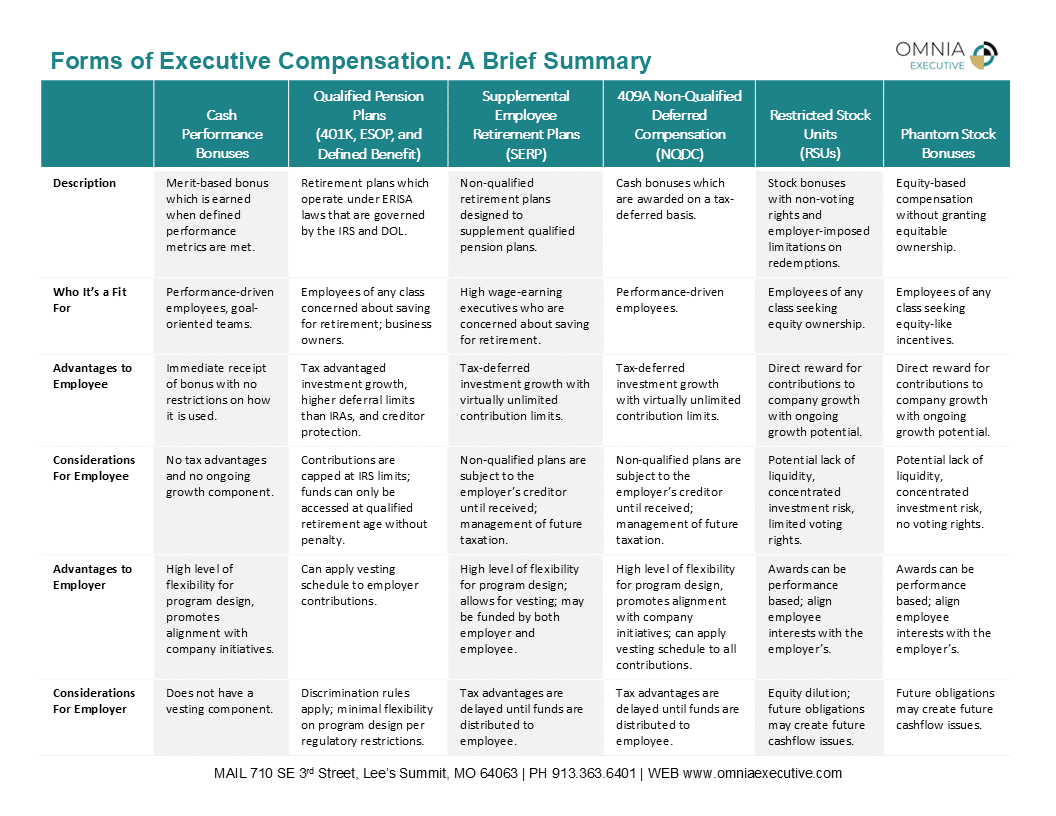
Executive compensation can take various forms.
Executive compensation programs can take various forms, tailored to the specific needs and objectives of the company and its executives. Some common types of executive compensation programs include:
- Short-term Incentives (STIs), also known as annual or performance bonuses, are variable compensation awards based on the achievement of short-term performance goals, typically over a one-year period. These bonuses are designed to reward executives for achieving specific targets, such as revenue growth, profitability, or operational metrics.
- Long-term Incentives (LTIs) are variable compensation awards based on the achievement of long-term performance goals, typically over a multi-year period. LTIs are intended to align executives’ interests with those of shareholders and reward sustained value creation over time.
- Executive Deferred Compensation: allow executives to defer a portion of their salary or bonus into a tax-deferred account, typically until retirement or another specified future date. These plans provide executives with flexibility in managing their compensation and tax liabilities.
- Supplemental Executive Retirement Plans (SERPs) are non-qualified retirement plans designed to provide additional retirement benefits to key executives or highly compensated employees. SERPs typically provide retirement benefits beyond those available through traditional qualified retirement plans, such as 401(k) plans or pension plans.
- Perquisites: also known as “perks”, perquisites are non-cash benefits provided to executives in addition to the salary and bonuses. Examples may include company cars, executive club memberships, housing allowances, or other forms of fringe benefit.
The specific mix of compensation elements may vary based on factors such as industry norms, company performance, executive roles and responsibilities, and individual preferences. It’s important for employers to carefully evaluate their needs, resources, and preferences when choosing between executive compensation program options. Consulting with an executive benefits consultant can help navigate the decision-making process and select the most suitable plan arrangement for the organization.